
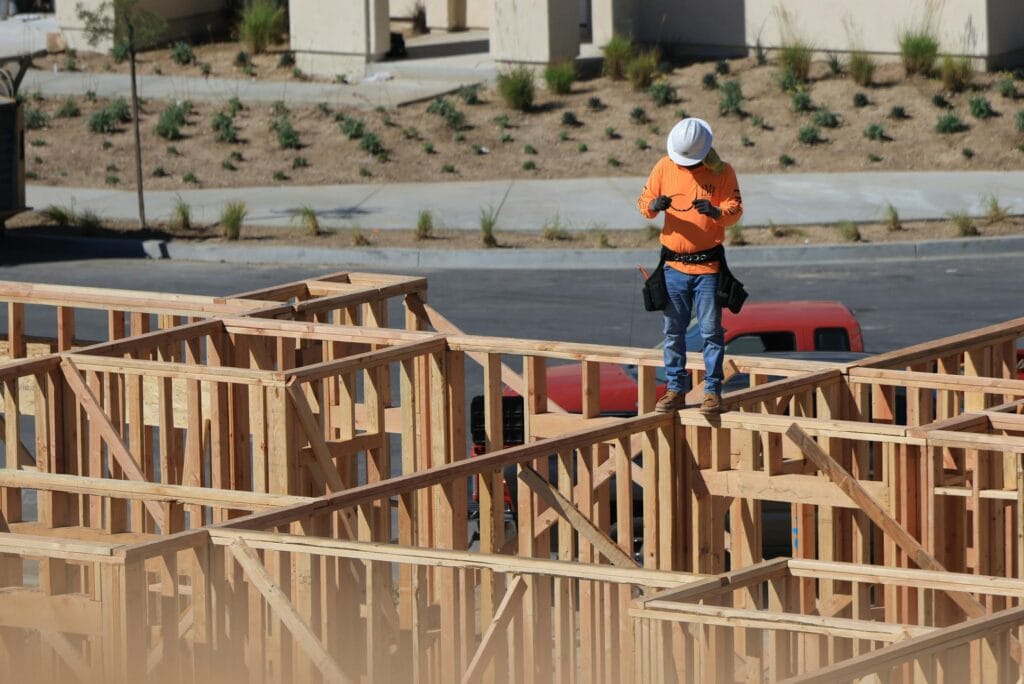
Starting a home build is a big step, and it usually kicks off long before any timber goes up. While framing is one of the more visible stages, a lot needs to happen first to make sure everything flows well from the very beginning. Getting those early parts right saves time later and helps avoid headaches once construction moves above ground.
As a builder in Rockhampton, we know how important those first steps are. Whether it’s checking the site or sorting the paperwork, this behind-the-scenes work forms the backbone of the job. Here’s a breakdown of what goes on before framing begins.
Site Review and Preparation
Every good build starts with understanding the land we’re working on. Each block is different, so the early days on-site are about observation and prep.
- We look at the slope of the block to work out drainage and layout
- Access is key, so we make sure machinery and vehicles can get in and out easily
- Soil checks help us understand how stable the ground is and what type of foundation will work best
- Trees close to the site, fences, and underground services are all marked out to avoid delays or surprises during excavation
Clearing the site often comes next. That can mean removing vegetation, rubbish or old foundations, depending on the site’s history. The goal is a clean, safe setting where work can start without distractions. Sometimes, this process reveals things that need addressing immediately, like unexpected roots, hidden debris, or unstable ground. This makes early review and preparation more than just a formality, it is a step that protects the rest of the schedule.
Heavy machinery may be needed to handle dense or rocky ground. Depending on the lot, we might bring in fill to improve leveling, or create paths for trucks and material storage. During this time, temporary fencing and site toilets are usually set up too, which is another step in making the area safe and compliant for all crews who’ll work there in the coming months.
Plans, Permits, and Paperwork
With the site ready, attention turns to the paperwork. This part isn’t flash, but it keeps everything on track and above board.
- Final plan checks happen here, making sure every wall, room and opening is measured out correctly
- We submit the plans to council for building approvals and permits, which can take a bit of time
- Local rules and building codes need to be followed, so we double-check that nothing’s missed
It’s easier to make changes now than later when frames are already going up. That’s why we carefully go through the numbers again before work begins. Some projects require specific permits for soil disturbance, stormwater management, or even the removal of large trees, so staying ahead on paperwork smooths the way later.
This stage often involves talking with architects, engineers, and surveyors to ensure every detail is lined up with both your vision and compliance needs. Even small discrepancies can cause bigger issues once the actual build starts, so taking the time to review everything carefully is essential. It also means everyone on the team, from trades to suppliers, works off the most current and correct information. If there are questions about boundaries or setbacks, those should be addressed at this stage before any ground is broken.
Setting Out the House
This is when ideas on paper become real shapes on the block. Setting out means marking the exact position of your home.
- We measure and stake out the corners of the house using steel pegs or timber stakes
- String lines are pulled tight between pegs to outline walls and features
- We check diagonals, levels, and position to make sure everything matches the approved plans
This stage is small in scale but big in impact. If it’s off even slightly, it throws the whole structure out. Double-checking now saves trouble tomorrow. Surveyors may be brought in for extra accuracy, especially if the block is uneven or if the build sits close to boundaries. The stakes and strings give everyone a visible guide to follow when digging trenches or pouring the slab, reducing errors and disputes down the line.
During this step, we also note where access for driveways, paths, and service connections will be needed. Marking these areas on the ground early avoids missing them when heavy machinery is at work and ensures the placement of everything from plumbing to garden fences is coordinated with the rest of the build.
Preparing Foundations and Services
Once the lines are set, we move onto putting in the base. In Rockhampton, homes use different types of foundations depending on soil and design.
- Some sites need a concrete slab, while others call for stumps or pier systems
- Plumbing and drainage pipes must be run before any slab pour, along with electrical conduits
- Areas touching soil or concrete are treated to guard against termites and moisture
These services need to sit in the right spot from the start. Think of them like the house’s veins, they’re hard to shift once framing begins. Precise placement prevents expensive rework and keeps construction on time. Where required, we coordinate with specialist trades, scheduling them carefully so they finish before concrete pour dates.
Site supervisors go through a checklist to confirm that all services, water, sewer, gas, and electrical, are ready for later connection. Treatments like pest barriers or membrane installation are logged for inspection, as missing these steps can attract compliance issues. The concrete pour itself is a milestone, and getting every element underneath it right makes the difference for both build quality and long-term performance.
Time-Saving Checks Before Framing
Before the framing crew arrives, we take a final look around. A few early checks here prevent delays later on.
- Materials are delivered and checked to make sure nothing is missing
- Framing layouts, window sizes, and service points are re-checked against the plan
- We make sure the site is tidy, access paths are clear, and the slab or base is clean
A clean, organised space makes things smoother for everyone on-site. When tradies don’t have to stop to find parts or fix errors, work gets done faster. At this stage, we also flag any site-specific hazards for the framing crew, update contact details if there have been contractor swaps, and clarify work hours to avoid delays. Reviewing window and service openings again before timber or steel goes up means everyone has the right cut-outs and materials from the start, which can be the difference between a smooth or frustrating build week.
Final safety checks get completed too, reducing risks for all teams involved. Scaffolding or safety rails may be installed if required, and any last-minute notes or reminders are placed where workers will see them to prevent confusion or mistakes.
Starting Strong for a Better Build
Getting the job off to a strong start makes a real difference down the line. Every step we take before framing helps reduce problems and make the next stages move quicker.
At Refined Space Constructions, our local experience covers full-site preparation for renovations, extensions, bathroom upgrades, and deck construction, all tailored for Central Queensland conditions. From soil checks to string lines, these early days set the pace for the whole project. As a builder in Rockhampton, we know how the local ground shifts with the seasons, how council rules work, and how to work with our climate instead of against it. That knowledge helps us build smarter from day one. With the prep done right, framing starts on solid ground, both literally and figuratively.
Planning a renovation or expansion in Rockhampton, Qld, means working with a team that understands the unique aspects of each site. We make sure every detail is considered before framing starts, so your project moves forward smoothly from day one. To see what it’s like to partner with a builder in Rockhampton, reach out to Refined Space Constructions today.